

Three disciplines. One fuelling
system. Zero compromises.
Triathlon nutrition has to survive the bike and still work
on the run. The truefuels system is built for that transition.
Triathlon nutrition has to survive
the bike and still work on the
run. The truefuels system is
built for that transition.
Informed Sport certified ·
Built by Alistair Brownlee ·
4.86★ (200+ reviews)
60–90% of endurance athletes underfuel.
The wall, cramp and overheating are fuelling failures — not fitness failures.
Hitting the Wall
The Ironman bike leg is 180km of glycogen expenditure. Athletes who under-fuel on the bike are walking the run — not because their fitness failed, but because their fuelling did.
Energy Gels

Cramps
Cramping on the run almost always starts on the bike. Sustained sweat loss over 4–6 hours depletes sodium and potassium faster than most athletes replace — by the time you feel it, the deficit has been building for hours.
Electrolytes

Heat
Ironman and 70.3 events in warm climates mean core temperature is a performance variable from T1. Three disciplines in the heat — it compounds with every transition.
CoreCtrl

Your Race Fuelling Calculator
Enter your race details and get a personalised gel and electrolyte plan.
Products & Bundles
Start with a bundle or build your own stack. Bundles save you vs buying separately.
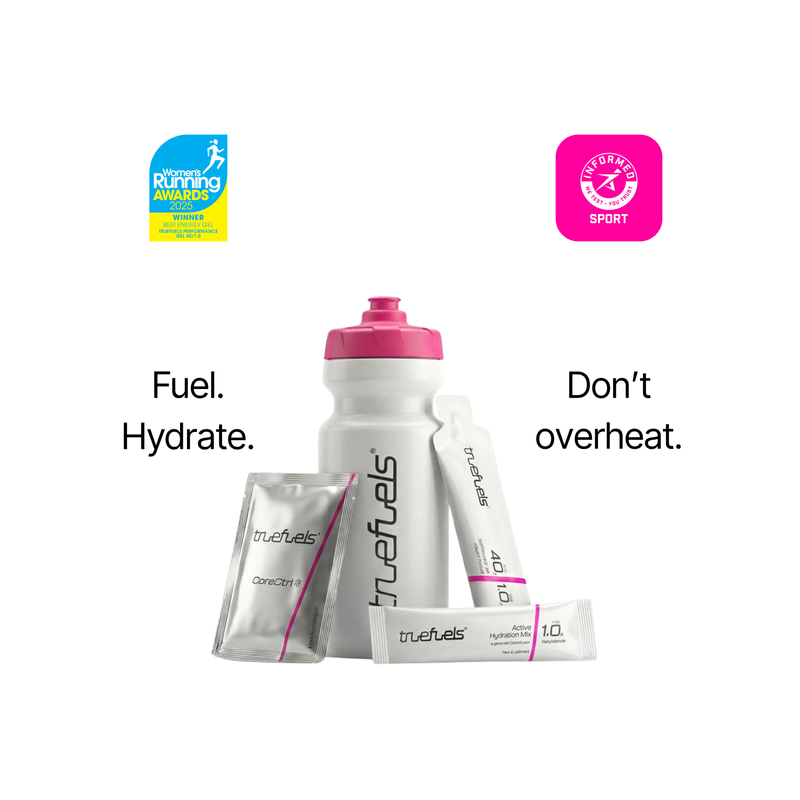
RACE READY SYSTEM
40× Energy Gels + 20× Electrolyte sachets + 8× CoreCtrl sachets + FREE truefuels bottle
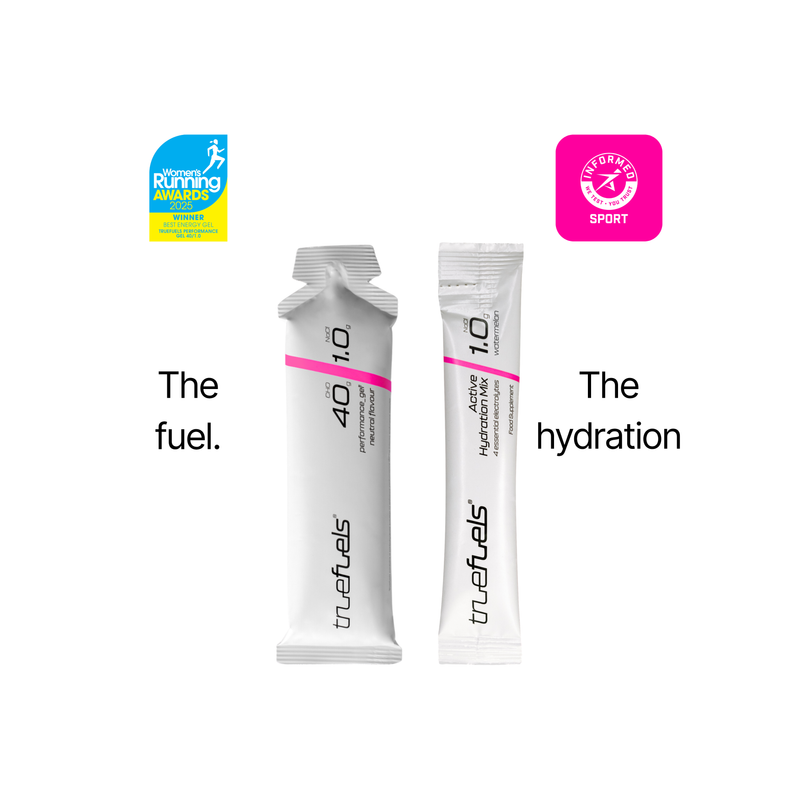
TRAINING BUNDLE
20× Energy Gels (mixed low + high salt) + 20× Electrolyte sachets
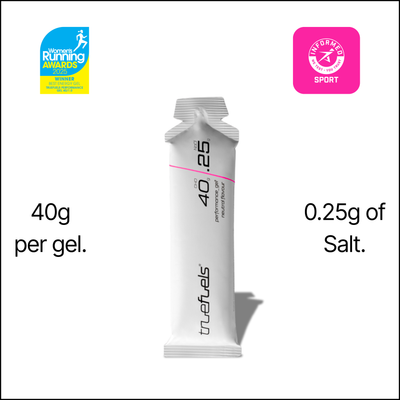
Gel — Low Salt (0.25g)
40g carbs · 0.25g salt · cool races · sprint/Olympic
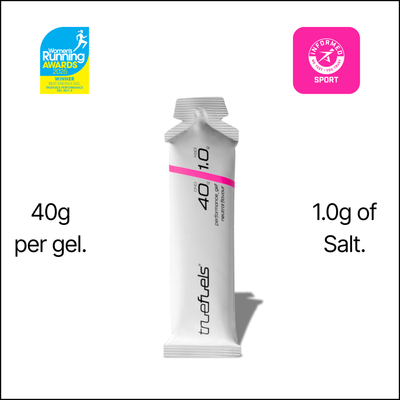
Gel — High Salt (1g)
40g carbs · 1g salt · Ironman/70.3 · warm conditions · heavy sweaters
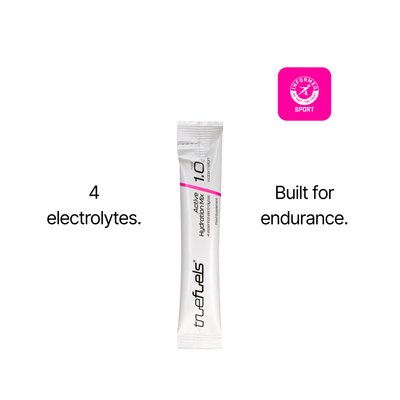
Electrolytes
400mg sodium · 150mg potassium · 25mg magnesium
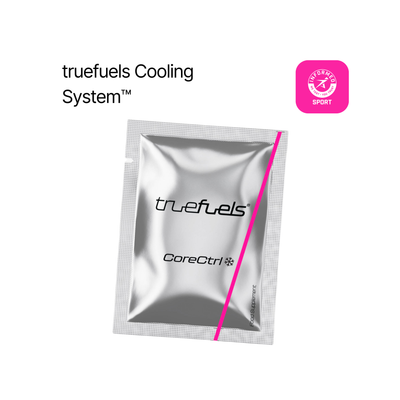
CoreCtrl™
4,000mg taurine · Kona-tested · bike-to-run heat management
Frequently Asked Questions
8–10 gels on the bike + 2–3 on the run. Start fuelling 20 min into the bike, every 30–35 min. Use the calculator.
2–3 gels for the run, 1–2 electrolyte sachets, CoreCtrl if racing in heat. Set gels in race belt at T2.
1:1 glucose:fructose ratio uses two intestinal transport pathways. Take gels with water (not sports drink). Practise exact race-day fuelling in training.
Train for a different sport?