Saltar al contenido

Carrito

Tu carrito está vacío

Science Corner

The History of Sports Nutrition

Sports nutrition didn't begin with gels and isotonic drinks. It began with ancient Olympians eating meat and honey, pedestrians drinking beer mid-race, and a scientist who somehow convinced a man to fast on water alone for 31 days. The science that underpins every product on the market today was built over centuries of experiments — some brilliant, some bizarre, and most forgotten. Here's the full story.

Ancient Beginnings: Nutrition in the Ancient Olympics

Ancient Olympians recognised the impact of diet on performance. Historical records indicate that wrestlers and runners consumed high-protein diets, including meat and cheese, as they believed these foods enhanced their strength and stamina. Honey and figs, known for their quick energy release, were also staples.

Pythagoras (of Triangle fame) recommended meat as a dietary staple for athletes, and other sources mention the use of honey and figs for quick energy. The first Olympic champion, Koroibos, was a baker when he wasn’t in the arena. So, we can safely assume he ate his fair share of carbohydrates.

  • Reference: Sweet, W. E. (1987). Sport and Recreation in Ancient Greece: A Sourcebook with Translations. Oxford University Press.

19th Century:

Pedestrianism and Early Experiments:

Pedestrianism, possibly the biggest sport people have never heard of, was one of the earliest serious endurance competitions. Events were held over a range of distances, with 6-day events taking place in Madison Square Garden in front of large crowds. While competing to see who could cover the most distance over six days, athletes consumed simple carbohydrates (such as biscuits and bread) and fluids (including beer, tea, and milk) to sustain their endurance during multi-day events. While anecdotal, these choices reflected an early understanding of maintaining energy stores. Using caffeine as a stimulant to delay fatigue dates back to this time, and there were even early accusations of doping when Edward Weston was found to have ingested Coca leaves. His explanation - a doctor prescribed it - is literally the oldest one in the excuse book!

  • Reference: Smith, J. L. (2000). “Pedestrianism: When Walking Was a Spectator Sport in America.” Journal of Sport History, 27(1), 45-64.

Nitrogen Balance Studies:

Protein is the only macronutrient containing nitrogen, making it essential for tissue building and repair. In the mid-1800s, scientists like Justus von Liebig hypothesised that protein was a primary energy source for muscles. However, later research demonstrated that carbohydrates and fats were more significant for energy, while protein played a structural role. Liebig is also famous for disagreeing with Louis Pasteur on the topic of fermentation.

Nitrogen balance studies measured nitrogen intake (via diet) against nitrogen excretion (via urine and faeces). Positive nitrogen balance indicated tissue growth or repair, while negative balance indicated muscle breakdown.

  • Reference: Voit, C. (1881). “Nitrogen Metabolism in the Body.” Zeitschrift für Biologie.

Early 20th Century: The Foundations of Sports Physiology

A.V. Hill’s Contributions (1922):

Archibald Vivian Hill revolutionised sports physiology with his research on muscle metabolism. Hill introduced the concept of oxygen debt and maximal oxygen uptake (VO₂ max), explaining how the body compensates for oxygen deficits during intense exercise. Early experiments included having subjects run around his garden hooked up to measurement equipment. He also demonstrated that glycogen depletion directly correlates with fatigue.

Hill’s work laid the foundation for understanding energy systems and the critical role of carbohydrates in sustaining performance.

  • Reference: Hill, A. V. (1922). “Muscular Exercise, Lactic Acid, and the Supply and Utilization of Oxygen.” Nobel Lecture.

Basal Metabolic Rate (BMR):

Advances in calorimetry in the early 1900s enabled scientists to quantify energy expenditure during rest and activity, paving the way for a deeper understanding of athletes’ caloric demands. BMR (basal metabolic rate) is the energy expended by the body at rest. Benedict, amazingly, persuaded a subject to undertake a 31-day water-only fast. The unlucky participant lost 13.25 kg of weight.

  • Reference: Benedict, F. G. (1915). A Study of Prolonged Fasting. Carnegie Institution of Washington.

Muscle Catabolism and Repair (1920-30s):

Scientists began associating protein consumption with muscle repair after observing that physical stress, including exercise, increased nitrogen excretion, suggesting muscle breakdown (catabolism). This led to the hypothesis that dietary protein was needed for muscle repair.

  • Reference: Cathcart, E. P. (1920). “Protein Metabolism and Exercise.” Proceedings of the Royal Society of London.

Essential Amino Acids:

Advances in biochemistry identified amino acids as the building blocks of proteins. Studies showed that specific amino acids, like leucine, were essential for muscle repair and growth.

  • Reference: Rose, W. C. (1930s). “The Role of Essential Amino Acids in Protein Synthesis.” Journal of Biological Chemistry.

Mid-20th Century: The Birth of Applied Sports Nutrition

Protein Turnover During Exercise (1940-50s):

In the 1940s and 1950s, researchers began measuring athletes' protein turnover (the balance between protein synthesis and degradation). They found that exercise increased protein breakdown, particularly during resistance and endurance training, indicating a greater need for dietary protein to support recovery. They also identified increased post-exercise muscle protein synthesis (MPS), provided amino acids were available.

  • Reference: Mitchell, H. H., & Edman, E. (1951). “Protein Metabolism in the Human Body.” Annual Review of Biochemistry.

Carbohydrate Loading (1960s):

Scandinavian researchers demonstrated that glycogen depletion correlated with fatigue and could be mitigated by carbohydrate-loading protocols.

Bengt Saltin and Lars Hermansen demonstrated that dietary manipulation could increase glycogen stores. They developed carbohydrate-loading protocols that significantly improved endurance performance.

Glycogen is stored in the liver and muscles as a readily available energy source. By maximising glycogen stores, athletes delay fatigue caused by glycogen depletion.

  • Reference: Saltin, B., & Hermansen, L. (1967). “Glycogen Stores and Prolonged Exercise.” Scandinavian Journal of Clinical and Laboratory Investigation, 19(3), 218-224.

Electrolytes and Hydration (1965):

Dr. Robert Cade and his team at the University of Florida developed Gatorade to combat dehydration and electrolyte loss in athletes. Ten players on the university's football team tested the prototype Gatorade in 1965. The tests were generally deemed successful even though Steve Spurrier, the star quarterback, said, “I don't have any answer for whether the Gatorade helped us be a better second-half team or not... We drank it, but whether it helped us in the second half, who knows?" Not exactly a stunning endorsement!

  • Reference: Cade, R., et al. (1967). “Effects of Electrolyte Drinks on Thermoregulation and Performance in Football Players.” American Journal of Medicine, 43(6), 791-800.

Timing of Protein Intake (1960s-1970s):

Studies have identified that the timing of protein consumption plays a role in optimising recovery. Consuming protein immediately after exercise results in a better nitrogen balance and faster muscle repair compared to delayed intake.

  • Reference: Millward, D. J. (1970). “Protein Turnover in Skeletal Muscle.” Biochemical Journal.

Late 20th Century: Refining Nutrition for Specific Demands

Creatine (1990s): Research by Harris and colleagues demonstrated the efficacy of creatine supplementation in enhancing high-intensity, short-duration activities.

  • Reference: Harris, R. C., et al. (1992). “The Physiological Importance of Creatine Supplementation for Athletes.” Journal of Applied Physiology, 73(2), 802-809.

Caffeine as an Ergogenic Aid (1970s-1990s): Caffeine was shown to increase fatty acid mobilisation, sparing glycogen stores and delaying fatigue.

  • Reference: Costill, D. L., et al. (1978). “Effects of Caffeine on Metabolism and Exercise Performance.” Medicine & Science in Sports & Exercise, 10(3), 155-158.

Beta-Alanine (1990s): Studies revealed that beta-alanine supplementation increased intramuscular carnosine, buffering hydrogen ions and improving high-intensity performance.

  • Reference: Harris, R. C., et al. (2006). “The Role of Carnosine in Muscle Fatigue and Supplementation.” Amino Acids, 30(3), 279-289.

2000s: Advances in Multiple Transportable Carbohydrates

Studies in the 1990s had already emphasised carbohydrate ingestion during prolonged exercise, demonstrating that consuming 30-60 g/hour of simple carbohydrates maintained blood glucose levels, delayed fatigue, and improved endurance performance. The 2000s saw a shift in carbohydrate research, focusing on optimising absorption and utilisation rates. Scientists discovered that different types of carbohydrates (e.g., glucose and fructose) used distinct intestinal transporters, allowing for greater carbohydrate delivery and oxidation rates during exercise.

  • Reference: Coyle, E. F., et al. (1992). “Carbohydrate Ingestion During Prolonged Exercise: Effects on Muscle Glycogen and Performance.” Journal of Applied Physiology.

Multiple Transportable Carbohydrates:

Studies revealed that combining glucose and fructose in a 2:1 ratio enhanced carbohydrate oxidation rates up to 90 g/hour compared to 60 g/hour with glucose alone. This was a breakthrough for endurance athletes, as it reduced gastrointestinal discomfort and improved performance in ultra-endurance events.

  • Reference: Jeukendrup, A. E., et al. (2004). “Multiple Transportable Carbohydrates and Exercise Performance.” Current Opinion in Clinical Nutrition & Metabolic Care.

Carbohydrate Mouth Rinse:

Another innovative finding was the performance benefits of a carbohydrate mouth rinse. Rinsing the mouth with a carbohydrate solution activated oral receptors, signalling the brain to enhance performance, even without ingestion. The exact mechanism remained unclear, but glycogen levels have been found never to be completely depleted. Leading to the theory that carbohydrates in the mouth stimulate the conversion of stored glycogen into glucose to be used in the muscles, as the brain “knows” more is about to enter the bloodstream.

  • Reference: Carter, J. M., et al. (2004). “Carbohydrate Mouth Rinse Improves Performance.” Medicine & Science in Sports & Exercise.

2010s: Personalisation and High-Carb Strategies

Carbohydrate Periodisation:

Research introduced the concept of carbohydrate periodisation, which involves strategically timing carbohydrate intake to optimise both performance and training adaptations. For example, low-carb training sessions may enhance fat oxidation, while high-carb sessions support high-intensity efforts. The most brilliant innovations are often the simplest! This appears to be a significant step towards simplifying nutrition guidelines, which in turn fuels the specific level of intensity.

  • Reference: Bartlett, J. D., et al. (2015). “Carbohydrate Availability and Exercise Adaptations.” Sports Medicine.

Ultra-Endurance Events:

For ultra-endurance events lasting longer than 3-4 hours, research supported even higher carbohydrate intake rates of 90-120 g/hour. The use of liquid carbohydrate solutions or energy gels was often recommended to meet these requirements without causing gastrointestinal distress.

  • Reference: Stellingwerff, T., et al. (2011). “Nutrition for Endurance Athletes: Targeting Training and Performance.” International Journal of Sport Nutrition and Exercise Metabolism.

Fuelling High-Intensity:

Carbohydrates were shown to be critical for recovery and subsequent performance during HIIT. A carb-protein combination post-exercise improved glycogen resynthesis rates. This research indicates that consuming 1.2 g/kg/hour of carbohydrates, or 0.8 g/kg/hour with added protein, maximises recovery after intense exercise.

  • Reference: Ivy, J. L., et al. (2010). “Optimizing Glycogen Replenishment.” Journal of Applied Physiology.

Carbohydrate Ratios:

2:1 Ratio

Early research established that a 2:1 glucose-to-fructose ratio increased carbohydrate absorption rates of up to 90 g/hour, compared to 60 g/hour with glucose alone. Compared to glucose-only solutions, this combination was shown to improve endurance performance, delay fatigue, and reduce gastrointestinal issues.

  • Reference: Jeukendrup, A. E. (2004). “Carbohydrate Intake During Exercise and Performance.” Current Opinion in Clinical Nutrition and Metabolic Care, 7(6), 623–628.

1:1 Ratio

Later studies suggested that a 1:1 glucose-to-fructose ratio could further optimise carbohydrate oxidation and reduce gastrointestinal discomfort, especially in ultra-endurance events—a 1:1 ratio achieved higher exogenous carbohydrate oxidation rates than a 2:1 ratio in some scenarios.

  • Reference: Rowlands, D. S., et al. (2015). “Glucose-Fructose Enhances Performance Compared with Glucose Alone.” Medicine & Science in Sports & Exercise, 47(8), 1776–1784.

0.7–1.0:1 Fructose-to-Glucose Ratio

One systematic review highlighted that solutions with a 0.7–1.0:1 fructose-to-glucose ratio achieved the fastest absorption rates and highest energy delivery. This range effectively maximises endurance power output in events lasting more than 2-3 hours.

  • Reference: O’Brien, W. J., et al. (2015). “Optimizing Carbohydrate Solutions for Endurance Exercise.” Sports Medicine, 45(8), 1075–1084.

2020s: Technology and Real-Time Adjustments

The modern era has started integrating technological advancements into carbohydrate guidelines, enabling real-time monitoring and personalisation strategies.

Continuous Glucose Monitoring (CGM):

Athletes can now use CGM devices to track blood glucose levels during training and competition. This could allow for precise adjustments to carbohydrate intake based on real-time data.

  • Reference: Sparks, S. A., et al. (2020). “Continuous Glucose Monitoring in Endurance Athletes.” European Journal of Sport Science.

Hydrogel Carbohydrates:

Innovations like hydrogel technology may have improved the gastrointestinal tolerance of high-carbohydrate intake. These products encapsulate carbohydrates and are claimed to enable faster stomach emptying and reduced gastrointestinal discomfort.

  • Reference: Rowlands, D. S., et al. (2020). “Hydrogel Carbohydrate Drinks in Endurance Sports.” Journal of Sports Science and Medicine.

Micro-Periodisation:

The concept of micro-periodisation combines carbohydrate periodisation with intra-day adjustments. Athletes adjust their intake based on training intensity, duration, and real-time feedback.

  • Reference: Périard, J. D., et al. (2021). “Integrating Real-Time Feedback into Carbohydrate Strategies.” Sports Medicine.

Although this is an exciting area of investigation, I am unaware of any elite endurance athletes utilising technology for real-time blood glucose monitoring during competition. Evidence is still lacking that demonstrates the real-world performance benefits of ingesting slightly different amounts of carbohydrates (e.g. 110g compared to 100g), especially at the individual level. That, of course, doesn’t mean there isn’t a benefit, and measurable and precise nutrition remains an exciting area.

2025: truefuels

If you have read this far, you will probably agree that it can be more than a bit confusing. This is the essence of trueFuels. Our products are built to simplify your nutrition, no matter the event.

  • Many more people have issues with GI distress than experience a decline in performance from ingesting a few grams less of carbohydrates than their maximum.
  • Stripping the product back and removing preservatives, flavours, and colouring reduces the chances of GI distress.
  • A 1:1 glucose polymer: fructose ratio allows for the most significant levels of carbohydrate metabolism over the longest period of time.
  • Using the highest-quality ingredients further reduces the chance of gastrointestinal distress and any other adverse side effects.
  • Coconut water has a light and natural flavour. The most significant barrier to effective nutrition use is your enjoyment!

The future: Precision Nutrition and Technology?

Personalised Nutrition: Genetic testing and metabolic profiling now allow individualised nutrition strategies. Variations in genes such as CYP1A2 influence caffeine metabolism and athletic performance.

  • Reference: Guest, N. S., et al. (2018). “Caffeine, CYP1A2 Genotype, and Endurance Performance in Athletes.” Medicine & Science in Sports & Exercise, 50(8), 1570-1578.

Gut Microbiome Research: Probiotics have been shown to enhance gut health and reduce gastrointestinal stress during endurance events.

  • Reference: Clarke, S. F., et al. (2014). “Exercise and Associated Gut Microbiota Adaptations.” Gut Microbes, 5(1), 39-46.

Sustainability and Plant-Based Diets: Plant-based diets can meet athletes’ nutritional needs when protein sources are carefully combined to ensure adequate amino acid intake.

Reference: Hever, J. (2016). “Plant-Based Diets for Athletic Performance.” The Permanente Journal, 20(3), 15-19.

References:


  1. Sweet, W. E. (1987). Sport and Recreation in Ancient Greece: A Sourcebook with Translations. Oxford University Press.

  2. Smith, J. L. (2000). “Pedestrianism: When Walking Was a Spectator Sport in America.” Journal of Sport History, 27(1), 45-64.

  3. Voit, C. (1881). “Nitrogen Metabolism in the Body.” Zeitschrift für Biologie.

  4. Hill, A. V. (1922). “Muscular Exercise, Lactic Acid, and the Supply and Utilization of Oxygen.” Nobel Lecture.

  5. Benedict, F. G. (1915). A Study of Prolonged Fasting. Carnegie Institution of Washington.

  6. Cathcart, E. P. (1920). “Protein Metabolism and Exercise.” Proceedings of the Royal Society of London.

  7. Rose, W. C. (1930s). “The Role of Essential Amino Acids in Protein Synthesis.” Journal of Biological Chemistry.

  8. Mitchell, H. H., & Edman, E. (1951). “Protein Metabolism in the Human Body.” Annual Review of Biochemistry.

  9. Saltin, B., & Hermansen, L. (1967). “Glycogen Stores and Prolonged Exercise.” Scandinavian Journal of Clinical and Laboratory Investigation, 19(3), 218-224.

  10. Cade, R., et al. (1967). “Effects of Electrolyte Drinks on Thermoregulation and Performance in Football Players.” American Journal of Medicine, 43(6), 791-800.

  11. Millward, D. J. (1970). “Protein Turnover in Skeletal Muscle.” Biochemical Journal.

  12. Harris, R. C., et al. (1992). “The Physiological Importance of Creatine Supplementation for Athletes.” Journal of Applied Physiology, 73(2), 802-809.

  13. Costill, D. L., et al. (1978). “Effects of Caffeine on Metabolism and Exercise Performance.” Medicine & Science in Sports & Exercise, 10(3), 155-158.

  14. Harris, R. C., et al. (2006). “The Role of Carnosine in Muscle Fatigue and Supplementation.” Amino Acids, 30(3), 279-289.

  15. Bergström, J., & Hultman, E. (1967). “Muscle Glycogen Utilization During Exercise.” Acta Physiologica Scandinavica.

  16. Coyle, E. F., et al. (1992). “Carbohydrate Ingestion During Prolonged Exercise: Effects on Muscle Glycogen and Performance.” Journal of Applied Physiology.

  17. Jeukendrup, A. E., et al. (2004). “Multiple Transportable Carbohydrates and Exercise Performance.” Current Opinion in Clinical Nutrition and Metabolic Care.

  18. Carter, J. M., et al. (2004). “Carbohydrate Mouth Rinse Improves Performance.” Medicine & Science in Sports & Exercise.

  19. Bartlett, J. D., et al. (2015). “Carbohydrate Availability and Exercise Adaptations.” Sports Medicine.

  20. Stellingwerff, T., et al. (2011). “Nutrition for Endurance Athletes: Targeting Training and Performance.” International Journal of Sport Nutrition and Exercise Metabolism.

  21. Ivy, J. L., et al. (2010). “Optimizing Glycogen Replenishment.” Journal of Applied Physiology.

  22. Rowlands, D. S., et al. (2015). “Glucose-Fructose Enhances Performance Compared with Glucose Alone.” Medicine & Science in Sports & Exercise, 47(8), 1776-1784.

  23. O’Brien, W. J., et al. (2015). “Optimizing Carbohydrate Solutions for Endurance Exercise.” Sports Medicine, 45(8), 1075–1084.

  24. Sparks, S. A., et al. (2020). “Continuous Glucose Monitoring in Endurance Athletes.” European Journal of Sport Science.

  25. Rowlands, D. S., et al. (2020). “Hydrogel Carbohydrate Drinks in Endurance Sports.” Journal of Sports Science and Medicine.

  26. Périard, J. D., et al. (2021). “Integrating Real-Time Feedback into Carbohydrate Strategies.” Sports Medicine.

  27. Guest, N. S., et al. (2018). “Caffeine, CYP1A2 Genotype, and Endurance Performance in Athletes.” Medicine & Science in Sports & Exercise, 50(8), 1570–1578.

  28. Clarke, S. F., et al. (2014). “Exercise and Associated Gut Microbiota Adaptations.” Gut Microbes, 5(1), 39–46.

  29. Hever, J. (2016). “Plant-Based Diets for Athletic Performance.” The Permanente Journal, 20(3), 15–19.
The History of Sports Nutrition

Innovation Process

Most sports nutrition brands start with a formula and work backwards to find a story. We started with athletes, asked what was actually broken, and built from there. The result was a two-year process of research, field testing, and honest iteration — the kind most brands skip because it's slow and uncomfortable. This is how truefuels was made.

1. Discovering the Market Need

Alistair working alongside a team of sports scientists and industry experts leveraging decades of expertise in Sports Nutrition from athlete, nutritionist, and commercial perspectives, saw an opportunity to disrupt the traditional energy supplement market. In 2021, they developed a prototype and put it through rigorous lab testing. That’s when the idea for a groundbreaking energy solution started to take shape. However, they knew the key to innovation wasn't just in the lab but in understanding the real-world needs of endurance athletes.

When Alistair partnered with Goran, the TruFuels project officially kicked off. They adopted a lean startup mindset, starting with a deep dive into market research. The validation process unfolded in several stages:

  • Targeted Consumer Interviews: Alistair handpicked 10 high-engagement endurance athletes, each active in various competitions. Our head of Consumer Research, Anne, conducted in-depth interviews, digging into pain points and gaps in current sports nutrition solutions.
  • Crowdsourced Survey Feedback: We scaled up from individual interviews to broader input, deploying digital surveys via email and messaging apps. Over 150 athletes participated, providing invaluable data to map out common challenges and unmet needs.
  • Consultation with a Task Force of Elite Athletes: We formed a core advisory group of elite athletes to gain insights from the performance elite. Their feedback on existing solutions and unmet high-performance needs sharpened our focus.

This initial exploration was our validation phase, ensuring that TruFuels would hit the market with an authentic and data-driven product-market fit.

2. Review of the Current Science

Armed with real-world insights, the team pivoted to validation through science, knowing that innovation had to be evidence-based. They aimed to design a product that didn’t just meet, but exceeded, athletes' expectations. The scientific review process involved:

  • Competitive Product Analysis: We audited the leading products in the energy supplement space, examining ingredients, brand claims, and where they fell short.
  • Deep Dive into Cutting-Edge Research: The team combed through the latest peer-reviewed studies, zeroing in on energy metabolism, optimal hydration strategies, and nutrient absorption during endurance events.
  • Expert Collaboration: We partnered with leading academics, sports scientists, and dietitians to pressure-test our hypotheses, ensuring the formula was backed by the latest in nutritional science.

This research stage was a crucial sandbox for innovation, setting the stage for rapid prototyping.

3. Prototyping

This phase was about turning concepts into tangible solutions—fast. The team embraced an agile approach, iterating quickly based on real-time feedback:

  • Rapid Ingredient Experimentation: We prototyped dozens of formulations, experimenting with novel carbohydrate blends, amino acids, and hydration enhancers. The goal was to design a formula that combined sustained energy release with gut-friendly digestibility.
  • Micro-Batch Production: To keep our burn rate low, we ran small-scale production for each iteration. This allowed us to adjust ingredients quickly without high overheads.
  • Alpha Testing with Athletes: Initial prototypes were sent to a select group of athletes for taste and usability testing. We collected data on flavor, texture, and initial performance perceptions. This was an iterative feedback loop, fine-tuning with each round.

Our lean, iterative mindset allowed us to fail fast and pivot until we found the formula that hit the sweet spot.

4. Testing in the Field

Now, it was time to take the prototype out of the lab and into the real world. Field testing became the ultimate proving ground for our MVP (Minimum Viable Product):

  • Cross-Sport Beta Testing: We activated a network of beta testers across various endurance sports—triathlon, cycling, marathons, and ultra events—logging real-time data on product performance.
  • Environmental Stress Testing: We put the prototypes through their paces in diverse environments, from scorching heat to frigid cold and high-altitude terrains. Our goal was to guarantee performance consistency under the toughest conditions.
  • Iterative Refinement Loop: Athlete feedback fed directly into rapid iterations, allowing us to pivot on taste, texture, and ingredient ratios. This constant refinement ensured we were moving toward product-market fit with each test.

This agile approach allowed us to move fast, pivot intelligently, and focus our development resources where they mattered most.

5. Initial Lab Testing

Parallel to field testing, we conducted a series of lab validations to ensure our product’s integrity. This phase was all about backing our insights with hard data:

  • Data-Driven Nutrient Analysis: Lab tests confirmed our nutritional claims, giving us the green light on macronutrient accuracy and energy density. This reinforced our product’s value proposition.
  • Bioavailability Studies: We ran lab simulations to track nutrient absorption rates, ensuring the formula provided rapid and consistent energy without the common digestive side effects.
  • Shelf-Life and Stability Tests: We ran stability tests under varied conditions to guarantee the product’s reliability over time—essential for athletes who rely on TruFuels during long training cycles.

These lab tests provided the quantitative backing needed to validate our MVP’s performance claims.

6. Independent Review

To build trust and transparency, we opted for an independent evaluation of our final product. This was about validating our disruptive innovation with third-party credibility:

  • Third-Party Certification: We partnered with a respected lab to conduct comprehensive tests for ingredient purity, allergen safety, and label accuracy, ensuring the highest standards.
  • Expert Panel Scrutiny: An advisory board of nutrition experts and elite coaches was convened to review our formula. Their endorsements validated the science and confirmed that our innovation would stand up to scrutiny.
  • Final Beta Testing with Independent Athletes: We extended samples to athletes outside our core testing group. Their feedback was the final piece in our iterative puzzle, allowing us to make last-minute tweaks before the official launch.

By combining internal innovation with external validation, we ensured that TruFuels was not only groundbreaking but also market-ready.

By blending athlete-driven insights with agile iteration and scientific rigor, TruFuels emerged as a disruptor in sports nutrition—a product built by athletes, validated by science, and optimized through real-world testing.

Our Product Philosophy: Minimalism Meets Precision

At truefuels, we believe performance nutrition should be simple, effective, and rooted in science. Every product we create is outcome-driven—formulated with the fewest, highest-quality ingredients necessary to deliver real results. No gimmicks. No unnecessary additives. Just pure, functional fuel designed to help athletes be their best.

We take a no-nonsense approach to energy and recovery—stripping away what you don’t need and focusing on what works. This commitment to clarity and purpose runs through everything we do.

Our Development Process: From Insight to Innovation

We’ve built a rigorous six-step development process that blends our backgrounds in elite sport, nutrition, science, and venture building. Every truefuels product is born from real athlete needs, tested in the field, refined in the lab, and validated by independent experts.

1. Discovering the Market Need

In 2021, Alistair working with a group of sports scientists and nutrition experts, identified a gap in the traditional energy supplement market. With decades of combined experience in elite sport and nutrition, they developed a prototype and ran early lab tests. But they knew true innovation starts with understanding athletes.

When Alistair partnered with Goran, the truefuels project officially launched. Adopting a lean startup mindset, the team validated the market need through:

  • Targeted Interviews with 10 high-level endurance athletes
  • Digital Surveys reaching over 150 athletes
  • Consultation with an Elite Athlete Task Force to identify performance gaps and unmet needs

This phase ensured we were solving the right problems—grounded in athlete reality.

2. Reviewing the Science

Next, we turned to the evidence. Innovation without science is just noise.

  • Competitive Analysis revealed shortcomings in existing products
  • Scientific Literature Review focused on energy metabolism, hydration, and nutrient absorption
  • Collaboration with Experts helped us shape our formulation hypotheses with rigor

We ensured our foundation was built on proven research and emerging science.

3. Prototyping

We moved quickly from concept to creation using agile development—leveraging principles of physics, chemistry, and biology to guide our formulation decisions:

  • Ingredient Experimentation across carbohydrate blends, amino acids, and electrolytes
  • Micro-Batch Production for nimble iteration
  • Alpha Testing with athletes to refine taste, texture, and performance impact

Fail fast. Learn fast. Improve fast. That’s how we dialed in the perfect formula.

4. Field Testing

Lab data means nothing if it doesn’t perform in the real world. So we took our prototypes outside:

  • Cross-Sport Testing with triathletes, cyclists, runners, and ultra-endurance athletes
  • Environmental Stress Trials in heat, cold, and altitude
  • Real-Time Feedback Loops informed rapid refinements

We tested under pressure so you can perform under pressure.

5. Lab Validation

While field data tells us how it performs, lab data tells us why. We ran multiple rounds of lab testing to ensure our formulation stood up to scrutiny:

  • Nutritional Accuracy confirmation
  • Bioavailability Analysis for optimal absorption and digestion
  • Shelf-Life and Stability Testing under varied conditions

This gave us the confidence to move from MVP to final product.

6. Independent Review

truefuels stands for transparency and trust. We brought in third parties to validate our final product:

  • Informed Sport Certification to ensure purity and safety
  • Advisory Panel Review by elite coaches and nutrition experts
  • Final Testing with athletes outside our development circle

We believe in earning credibility—not claiming it.

Built by athletes. Backed by science. Refined through real-world testing.

That’s the truefuels way.

Innovation Process
Alistair Brownlee

Alistair Brownlee sobre la aclimatación al calor: de las lecciones de Beijing a la construcción de la armadura térmica del cuerpo

Mi preparación para el calor ha evolucionado a lo largo de mi carrera: desde sesiones mínimas como "seguro" para Londres 2012, hasta saunas y baños con calefacción para Río 2016, además de vestirse...

Leer más →
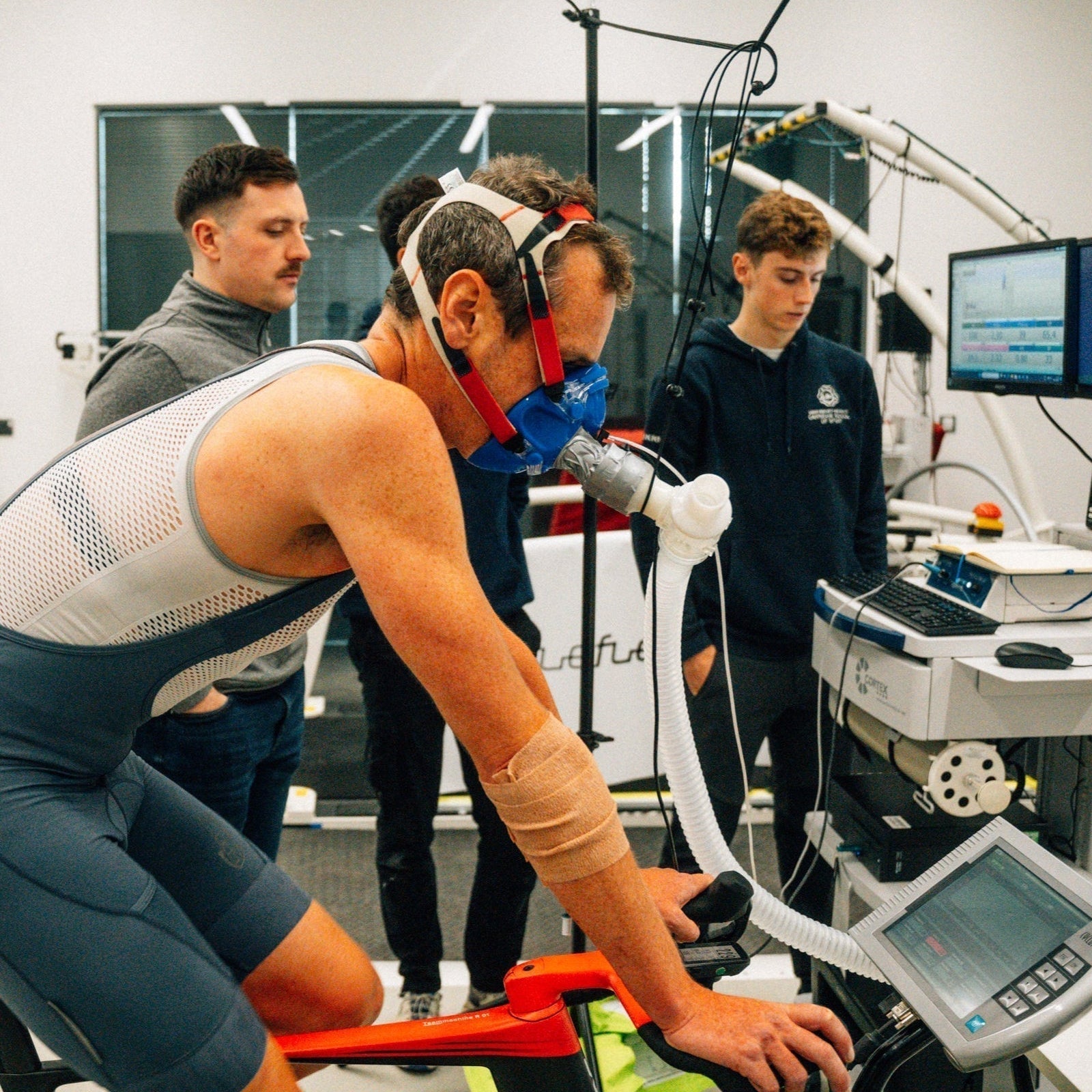
Alistair Brownlee on Heat Acclimation: From Beijing Lessons to Your Body's Heat Armour - truefuels
Heat

Cuando el calor toma el control: mis dos situaciones cercanas y la ciencia de la fatiga

El calor me ha enseñado algunas de mis lecciones de carrera más duras: el desvanecimiento gradual de Beijing 2008 mientras lideraba el triatlón olímpico (para terminar 12º), y el apagón repentino d...

Leer más →
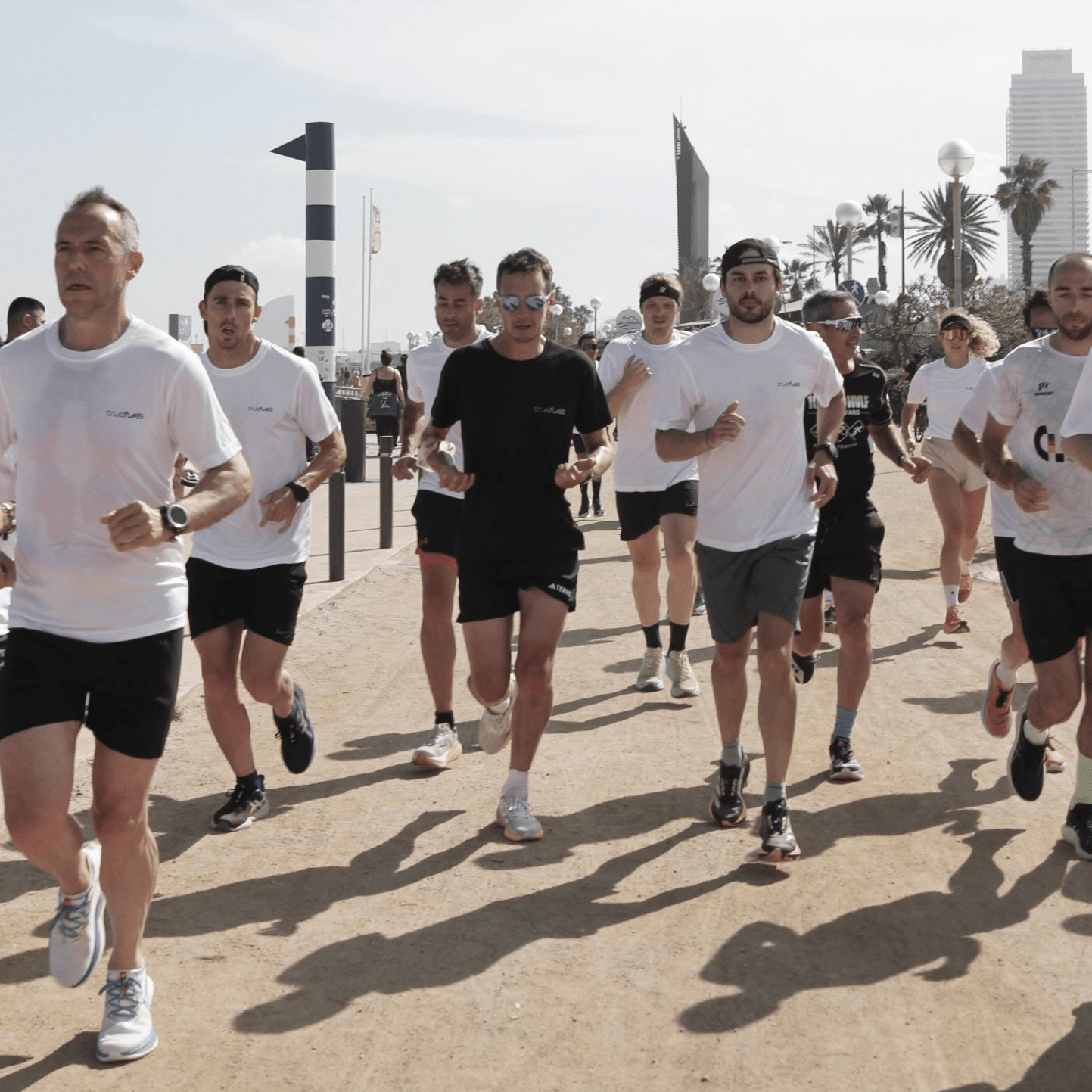
When Heat Takes Control: My Two Close Calls and the Science of Fatigue - truefuels
Fuel

¿A dónde va toda la energía? Comprender la eficiencia mecánica humana y el calor en el deporte

Los seres humanos son notablemente adaptables pero sorprendentemente ineficientes a la hora de convertir la energía alimentaria en rendimiento deportivo. Durante el ejercicio, sólo alrededor del 20...

Leer más →

Where Does All the Energy Go? Understanding Human Mechanical Efficiency and Heat in Sport - truefuels
No articles found Try a different search term or browse all topics above.