The Metabolic Bridge Between Cancer, Immunity, and Physical Training


What do cancer, the immune system, and physical exercise have in common? More than you might think.
While they may seem unrelated, they are all deeply connected by cellular metabolism, the way our cells produce and use energy. Metabolism is not just biochemistry; it shapes how our bodies respond to stress, fight disease, and adapt to physical challenges. Reflecting on this, it’s fascinating to see how the body of an athlete can teach us about health and disease. Efficient energy use, lactate management, and inflammation control are hallmarks of physical training, emerging from profound metabolic adaptations. Similar principles operate in cancer, where tumour cells and immune cells continuously adapt their metabolism, influencing disease progression and response to therapy. This concept is not merely theoretical. During my doctoral research, I conducted a study titled “Oleuropein-driven reprogramming of the myeloid cell compartment to sensitise tumours to PD-1/PD-L1 blockade strategies” (Blanco, E et al., 2024). In this work, oleuropein, a polyphenol abundant in olive leaves and olive oil, was shown to modulate metabolic pathways in immune cells, effectively reprogramming their behaviour. Rather than acting as a direct cytotoxic agent, oleuropein altered how myeloid cells process energy, reducing immune suppression within the tumour microenvironment and enhancing the effectiveness of immunotherapy. Much like physical training reprograms metabolism to improve performance and resilience, targeting immune cell metabolism reveals powerful connections between nutrition, exercise, and cancer therapy. Through this lens, metabolism emerges as a unifying force bridging health, disease, and human potential.
Why Metabolism Matters
Cancer, the immune system, and exercise might seem completely unrelated, but they share a hidden connection: metabolism, the way our cells make and use energy. Cancer is not just about genes. The way cells process nutrients and generate energy can fuel tumour growth, shape the tumour environment, and influence how the disease responds to treatment. At the same time, our immune system is highly energy-dependent. Immune cells need fuel to activate, migrate, and eliminate threats. When metabolism is disrupted, immune function can weaken, leaving the body more vulnerable to disease. Exercise is one of the most powerful and natural ways to influence metabolism and immune health. Physical training doesn’t just strengthen muscles or improve endurance; it reprograms cellular energy pathways, reducing chronic inflammation and improving metabolic flexibility. Interestingly, many of the same metabolic pathways that affect cancer progression and immune responses are also those that allow the body to adapt to training. By studying these shared mechanisms, whether in athletes, healthy individuals, or patients, we gain valuable insights into how metabolism shapes health, disease, and performance. This is where cancer biology, immunology, and exercise physiology truly intersect.
How Metabolism Links Immunity and Cancer
Metabolism is like the engine of your body: it turns food into fuel, builds tissues, and repairs damage. Cells adjust their energy use depending on what the body needs (Nelson & Cox, 2021).
Immune cells are especially demanding. When they detect an infection, they suddenly need more energy and building blocks to fight effectively (Pearce & Pearce, 2013). If their metabolism is disrupted, the immune system can underperform or overreact causing inflammation and disease (Hotamisligil, 2006).
The Warburg Effect, first described by Otto Warburg in **1956 (**WARBURG O, 1956), has gained renewed attention in recent years for its metabolic role in cancer. Normally, healthy cells use oxygen to produce energy efficiently. Cancer cells, however, undergo a metabolic adaptation, relying on a faster but less efficient pathway called glycolysis, even when oxygen is available. This shift supports rapid tumor growth and produces high levels of lactate, which can suppress nearby immune cells and modify the tumor environment (Vander Heiden et al., 2009; Brand et al., 2016).
Lactate and Mitochondria: More Than Waste
For years, lactate was blamed for muscle soreness and fatigue. Today we know it’s much more: a messenger and energy shuttle. Lactate moves energy from one tissue to another, for example, from muscles to the heart or brain, and t cells how to adapt, especially after exercise (Brooks, 2018).
Mitochondria, the cell’s “power plants,” are central here. They produce ATP, the energy currency of cells, and let cells switch between energy sources depending on need. This metabolic flexibility helps immune cells respond properly and stop inflammation when it’s no longer needed. Chronic high lactate, as seen in cancer or disease, disrupts this balance, causing dysfunction (Brand et al., 2016; Buck et al., 2017).
Exercise and the Athlete as a Model of Health
Exercise doesn’t just produce energy; with the right training, you can train your body to use energy more efficiently. Structured endurance programs increase both the number and efficiency of mitochondria, helping cells recover faster and manage energy more effectively (Holloszy, 1967; Brooks, 2018). This, in turn, supports lower inflammation, stronger immune responses, and overall better metabolic health (Pedersen & Febbraio, 2012).
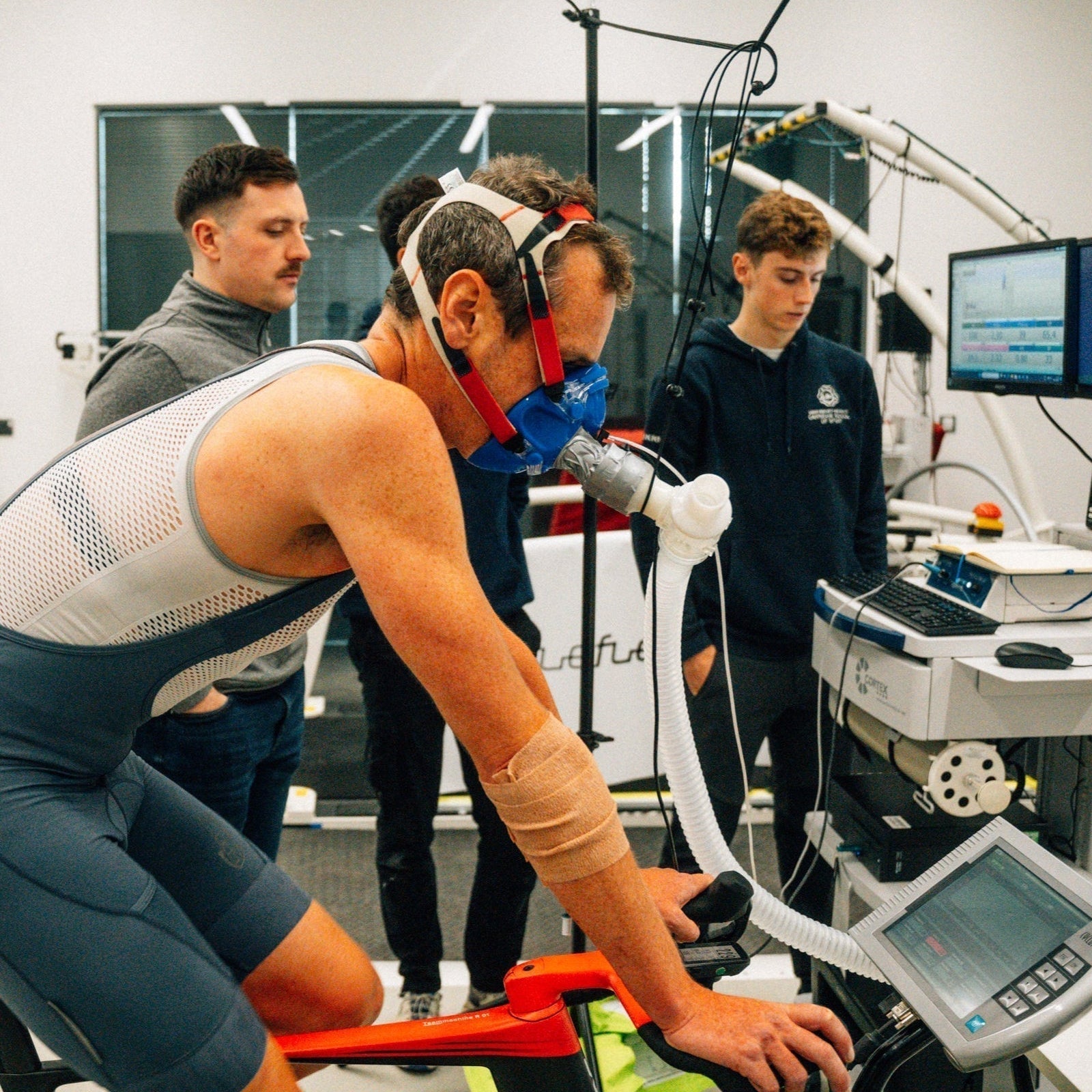
Athletes are a living example of this adaptation. Their bodies are conditioned to handle stress, recover quickly, and regulate inflammation efficiently. Studying them shows how metabolism, mitochondria, and immune function can work in harmony, and what goes wrong in diseases like cancer or diabetes (Booth et al., 2017).
Connecting Sports Science and Cancer Research
Cancer research, immunology, and sports science might seem very different, but they share common energy pathways. Lactate, mitochondria, and energy management are central to all three. By connecting these fields, researchers can find new ways to boost immunity, improve cancer treatments, and optimize physical performance. Thinking of the body as a whole system, rather than separate parts, opens new doors to health.
Closing Thoughts
Metabolism lies at the heart of health, performance, and disease. The way the body manages energy, regulates lactate, and adapts its mitochondria influences everything from athletic performance to immune defence and cancer progression. By studying these processes in both athletes and patients, science is revealing powerful strategies to prevent disease, enhance recovery, and maintain physiological balance. In this sense, metabolism is more than biochemistry; it is a dynamic system linking energy use, immune function, exercise adaptation, and overall health. Understanding it helps us live better, stronger, and healthier lives. In the next blog, I will take this concept one step further and explore how sports nutrition can actively shape metabolic pathways, influence immune function, and potentially support both performance and long-term health.
- Blanco, E., Silva-Pilipich, N., Bocanegra, A. et al. Oleuropein-driven reprogramming of the myeloid cell compartment to sensitise tumours to PD-1/PD-L1 blockade strategies. Br J Cancer 130, 869–879 (2024).
- Nelson, D. L., & Cox, M. M. (2021). Lehninger Principles of Biochemistry (8th ed.). New York, NY: W. H. Freeman and Company.
- Pearce EL, Pearce EJ. Metabolic pathways in immune cell activation and quiescence. Immunity. 2013;38(4):633-643. doi:10.1016/j.immuni.2013.04.005
- Hotamisligil, G. Inflammation and metabolic disorders. Nature444, 860–867 (2006). https://doi.org/10.1038/nature05485
- WARBURG O. On the origin of cancer cells. Science. 1956;123(3191):309-314. doi:10.1126/science.123.3191.309
- Vander Heiden MG, Cantley LC, Thompson CB. Understanding the Warburg effect: the metabolic requirements of cell proliferation. Science. 2009;324(5930):1029-1033. doi:10.1126/science.1160809
- Brand A, Singer K, Koehl GE, et al. LDHA-Associated Lactic Acid Production Blunts Tumor Immunosurveillance by T and NK Cells. Cell Metab. 2016;24(5):657-671. doi:10.1016/j.cmet.2016.08.011
- Brooks GA. The Science and Translation of Lactate Shuttle Theory. Cell Metab. 2018;27(4):757-785. doi:10.1016/j.cmet.2018.03.008 Brand, A., et al. (2016). LDHA-associated lactic acid production blunts tumor immunosurveillance by T and NK cells. Cell Metabolism, 24(5), 657–671.
- Buck, M. D., O’Sullivan, D., & Pearce, E. L. (2017). T cell metabolism drives immunity. Journal of Experimental Medicine, 214(2), 315–327.
- Holloszy, J. O. (1967). Biochemical adaptations in muscle. Effects of exercise on mitochondrial oxygen uptake and respiratory enzyme activity. Journal of Biological Chemistry, 242(9), 2278–2282
- Pedersen, B. K., & Febbraio, M. A. (2012). Muscles, exercise and obesity: skeletal muscle as a secretory organ. Nature Reviews Endocrinology, 8(8), 457–465.
- Booth, F. W., Roberts, C. K., & Laye, M. J. (2017). Lack of exercise is a major cause of chronic diseases. Comprehensive Physiology, 2(2), 1143–1211.
Written by Ester Blanco, PhD
Scientific Advisor, truefuels
Postdoctoral researcher specialising in cancer biology, immunology and cellular senescence. PhD in Applied Medicine and Biomedicine, MSc in Biomedical Research, BSc in Biochemistry. Former professional footballer (Spain's First and Second Divisions); now an endurance athlete competing in half marathons and triathlons.