Von London Cool zu Athens Heat: Mein Poseidon-Halbmarathon-Erlebnis
Die Kurzübersicht
Mein erster Halbmarathon in der Hitze verlief nicht exakt nach Plan, aber er funktionierte. Ich beendete den Poseidon-Halbmarathon in Athen in 1:57 Stunden unter Bedingungen, die wesentlich wärmer waren als alles, worin ich in London trainiert hatte.
Der Schlüssel: intelligentes Pacing, aktive Kühlung und einfache, effektive Ernährung (zwei 40g CHO-Gele + 0,25g NaCl von Truefuels). Keine Krämpfe, keine Energieeinbrüche.
Wichtigste Erkenntnis: Hitze ändert alles. Pacing, Hydration und das Timing der Energiezufuhr sind genauso wichtig wie das, was man zu sich nimmt. Und vor allem macht es den Unterschied, den eigenen Körper zu kennen und sich an die Bedingungen anzupassen.
Der Poseidon-Halbmarathon: Wenn Hitze zum limitierenden Faktor wird
Das Training in London bedeutet kühle, vorhersehbare Bedingungen, unter denen die Anstrengung leicht einzuschätzen ist. Athen war anders.
Die Temperaturen am Renntag (~24°C) waren nicht extrem, aber ausreichend, um die Leistung zu beeinträchtigen. Der Einfluss war frühzeitig erkennbar, da Läufer langsamer wurden, gingen oder ganz anhielten. Eine Erinnerung daran, dass Hitze nicht extrem sein muss, um die Ergebnisse zu beeinflussen.
Obwohl ich in den Sommern in Spanien etwas Hitze ausgesetzt war, war ich in diesem Block nicht speziell darauf vorbereitet, und das zeigte sich.
Vorbereitung: Ein hybrider Ansatz mit einem größeren Ziel
Mein Training ist nicht rein lauffokussiert. Ich bereite mich auf einen Triathlon vor, daher umfasst meine wöchentliche Struktur:
- Krafttraining
- Schwimmen
- Radfahren
- Laufen (angepasst an die Gesamtbelastung)
Dies baut allgemeine Ausdauer und Widerstandsfähigkeit auf, bedeutet aber auch, dass ich gut konditioniert, aber nicht hitzeangepasst ankam.
Umsetzung am Tag: Zuerst Kontrolle, dann Aufbau
Ich ging das Rennen konservativ an.
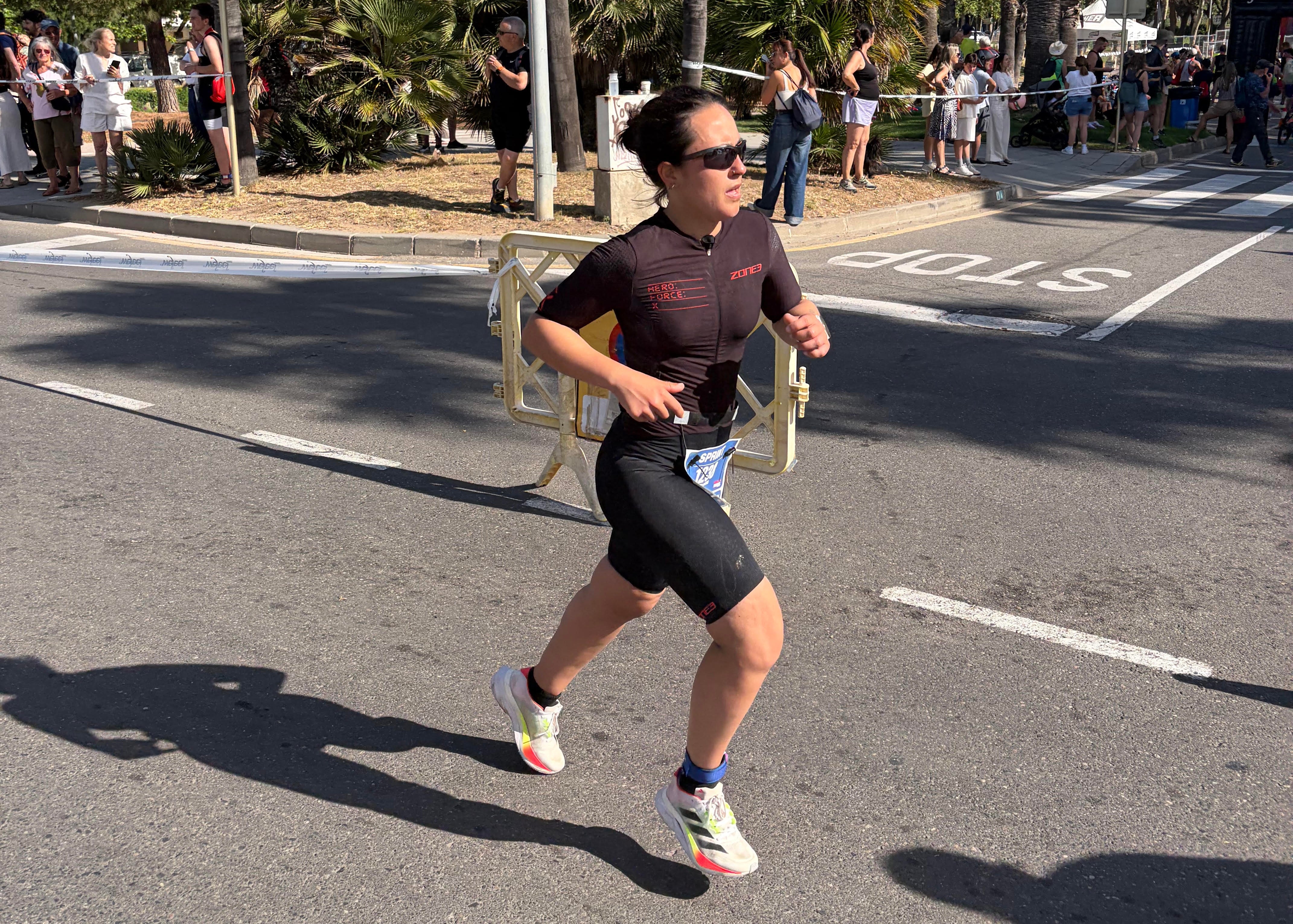
Für die ersten 14 km lag der Fokus auf Kontrolle: gleichmäßiges Tempo, Hydration und die Senkung der Körperkerntemperatur. Die Versorgungsstationen waren nicht nur zum Trinken da; ich nutzte Wasser auch zur aktiven Kühlung.
Ab km 14 erhöhte ich allmählich das Tempo. Während andere um mich herum mit den Bedingungen kämpften, konnte ich die Kontrolle behalten und stark ins Ziel kommen.
Das Ergebnis: ein konstantes, gut ausgeführtes Rennen unter anspruchsvollen Bedingungen.
Ernährungsstrategie: Einfach, konsistent und persönlich
Rennwoche:
Ich erhöhte die Kohlenhydratzufuhr in den Tagen vor dem Rennen, um sicherzustellen, dass die Glykogenspeicher aufgefüllt waren. Nichts Extremes, nur einfache, vertraute Lebensmittel wie Reis, Nudeln und mageres Eiweiß.
Vor dem Rennen:
Ich hielt es leicht und verdaulich und passte mich an das an, was lokal verfügbar war.
Während des Rennens:
- 2 × 40g CHO Gele + 0,25g NaCl (Truefuels)
- Gel bei km 7
- Gel bei km 15
Die Energiezufuhr wurde basierend auf Erfahrung getimt, bevor die Ermüdung einsetzte, nicht danach.
Ergebnis:
- Keine Energieeinbrüche
- Keine Krämpfe
- Konstante Leistung über die gesamte Distanz
Was ich gelernt habe: Hitze und Ernährung verändern das Spiel
Dieses Rennen bestätigte einige wichtige Prinzipien:
- Selbst moderate Hitze beeinträchtigt die Leistung, wenn man nicht daran gewöhnt ist
- Das wahrgenommene Anstrengungsniveau steigt in der Hitze schnell an
- Kühlungsstrategien sind genauso wichtig wie Hydration
- Eine frühe Energiezufuhr verhindert Probleme im späteren Rennverlauf
- Selbstwahrnehmung ist entscheidend; Anpassung schlägt starre Planung
Was ich beim nächsten Mal anders machen werde
Keine großen Änderungen, nur Verfeinerungen:
- Mehr Hitzeexposition ins Training einbeziehen
- Die Erwartungen an das Tempo von Anfang an anpassen
- Eine einfache, effektive Ernährungsstrategie beibehalten
- Proaktiv bei Hydration und Kühlung bleiben
- Für zukünftige Rennen unter heißeren Bedingungen würde ich auch in Betracht ziehen, Core Control von Truefuels als Teil meiner Vor-Renn-Strategie zu verwenden. Die Kontrolle der Kerntemperatur vor und während Ausdauerereignissen kann einen großen Unterschied machen, wenn man in der Hitze Rennen bestreitet. Athleten wie Alistair Brownlee, der ebenfalls an der Entwicklung und Prüfung des Produkts beteiligt war, haben über die Bedeutung von Hitzemanagement und Kühlungsstrategien für die Leistung gesprochen, insbesondere bei anspruchsvollen Rennen unter warmen Bedingungen. Proaktive Kühlungsmethoden anzuwenden, anstatt erst zu reagieren, wenn eine Überhitzung beginnt, ist etwas, das ich definitiv verbessern kann.
Letzter Gedanke
Athen war mehr als nur ein Rennen; es war Teil eines größeren Prozesses.
Während ich mich auf meinen ersten Triathlon vorbereite, hat diese Erfahrung die Bedeutung der Ausführung, insbesondere in der Hitze, verstärkt.
Einfache Struktur. Kluge Entscheidungen. Konsistenz. Selbstwahrnehmung.
Das werde ich mitnehmen.